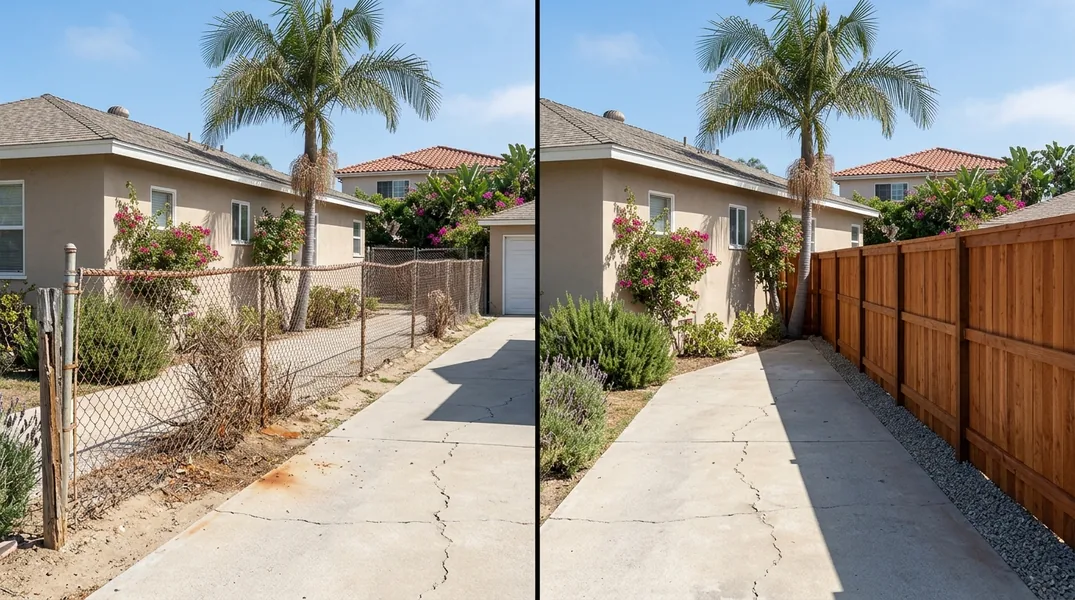
How Long Does a Wood Fence Last in Long Beach?
If you've recently installed a Wood & Privacy Fence Installation or inherited one with your home, you're probably wondering how long your investment will actually last. The answer depends on several factors, but in Long Beach, most wood fences have a lifespan of 15 to 20 years with proper maintenance. Some well-maintained fences can stretch closer to 25 years, while others may fail sooner if neglected or exposed to harsh conditions.
Long Beach's coastal climate, salt air, and occasional heavy rain create unique challenges for wood fence longevity. The salt spray from the Pacific Ocean can accelerate wood deterioration if your fence isn't properly sealed and maintained. Temperature fluctuations and UV exposure also take their toll over time, causing wood to warp, crack, and fade. Understanding these environmental pressures helps homeowners set realistic expectations and plan for eventual replacement before their fence becomes a safety or aesthetic liability.
Key Factors That Affect Fence Lifespan
The actual lifespan of your wood fence depends far more than just the passage of time. The type of wood used is critical. Cedar and redwood are naturally rot-resistant and can last longer than pressure-treated pine, which is more affordable but less durable in Long Beach's moisture-rich environment. Pressure-treated lumber offers a middle ground, typically lasting 15 to 20 years when properly maintained. If your fence was built with untreated softwood, you can expect a significantly shorter lifespan, sometimes as little as 8 to 10 years.
Installation quality also plays a huge role. Fences installed by experienced professionals tend to last longer because they're built with proper drainage, correct post depth, and adequate spacing. Poor installation, shallow post holes, or inadequate gravel base can lead to premature rot and structural failure. Additionally, the amount of direct sun exposure, proximity to sprinkler systems or downspouts, and soil drainage all influence how quickly wood deteriorates. A fence in a shaded, well-drained area will outlast one in a wet, sun-baked spot by several years.
Signs You Need a New Fence: When Replacement Becomes Necessary
Recognizing the warning signs of a failing fence helps you avoid safety hazards and plan your budget accordingly. Visible rot is the most obvious indicator. If you can press a screwdriver or awl into the wood and it sinks in easily, the structural integrity is compromised. Soft, spongy wood, dark discoloration, or a musty smell all point to advanced decay. Leaning or wobbly sections mean the posts are failing, and a fence in this condition poses a risk to children, pets, and neighbors.
Other telltale signs include widespread cracking, splintering wood that's unsafe to touch, large gaps between boards, and nails or screws that pop out repeatedly. If more than 10 to 15 percent of your fence panels show significant damage, replacement is likely more cost-effective than repair. Pest damage from termites or carpenter ants is another red flag that demands immediate attention. If you notice sawdust around the base of fence posts or small holes in the wood, professional inspection is essential. A fence that's become an eyesore with faded, peeling finish can sometimes be restored with staining and sealing, but if the underlying wood is damaged, cosmetic fixes won't solve the problem.
Maintenance Tips to Extend Your Fence's Life
Regular maintenance is the single best investment you can make to extend your wood fence's lifespan. Sealing and staining your fence every 2 to 3 years protects the wood from UV rays, moisture, and salt spray. In Long Beach, this maintenance schedule is especially important due to coastal weather. Choose a high-quality exterior wood sealant rated for salt air exposure, and apply it to all sides of the boards, including the bottom edges where moisture wicks up through the wood. Many homeowners neglect the backs and bottoms of boards, which is a mistake that accelerates rot.
Beyond sealing, keep your fence clear of debris and vegetation. Leaves, dirt, and mulch trap moisture against the wood, creating ideal conditions for rot and mold. Trim back any plants, vines, or tree branches that touch the fence. Ensure water drains away from the fence line by grading soil properly and maintaining gutters and downspouts so they don't direct runoff toward your fence. Inspect posts annually for signs of rot or pest damage, and replace damaged boards or sections before the problem spreads. Power washing annually can remove algae and mold, but use a low-pressure setting to avoid damaging the wood. These preventive steps can easily add 5 to 10 years to your fence's life.
Wood & Privacy Fence Installation Near Me: When to Call a Professional
If your inspection reveals that replacement is necessary, contacting a local professional is the smartest move. Long Beach Fence specializes in high-quality Wood & Privacy Fence Installation using durable materials and proven construction methods designed to withstand our coastal climate. A professional installer will assess your property, recommend the best wood species for your specific needs, ensure proper post depth and alignment, and apply protective sealant before installation. This attention to detail significantly extends the lifespan of your new fence compared to DIY installations.
Professional fencing contractors also understand local building codes and permit requirements. Many homeowners don't realize that fence installation in Long Beach requires permits and must comply with height restrictions and setback regulations. Long Beach Fence handles these details so you can focus on enjoying your new fence. If you're ready to explore your options or want to discuss whether repair or replacement makes sense for your situation, reach out for a free estimate by calling (562) 850-1083. Our team can provide honest guidance based on your fence's current condition and your long-term goals.
Wood & Privacy Fence Installation Cost in Long Beach: What to Budget
Understanding the cost of fence replacement helps you plan financially and make informed decisions. The pricing for wood fence installation varies based on several factors, including the type of wood, height, length, site conditions, and complexity of the installation. In Long Beach, you can generally expect to pay between $1,500 and $4,000 for a standard residential fence, though larger or more elaborate projects may cost more. Cedar and redwood, which offer superior durability in our coastal climate, typically cost more upfront than pressure-treated lumber, but the investment pays off in longevity.
While wood fencing is an attractive option, some homeowners in Long Beach explore alternatives like Vinyl & PVC Fence Installation, which requires virtually no maintenance and lasts 20 to 30 years, or Aluminum & Ornamental Iron Fencing for a sophisticated look. Each option has different upfront costs and long-term maintenance requirements. To get an accurate quote tailored to your property and preferences, contact Long Beach Fence at (562) 850-1083 or visit our website for a free estimate. We'll help you understand the true cost of ownership over time, not just the initial installation price.
Looking for a professional fence contractor in Long Beach? Long Beach Fence responds fast for all your fence needs.
Get a Free Quote