Fence Company in Long Beach, CA: Installation, Repair & Gates
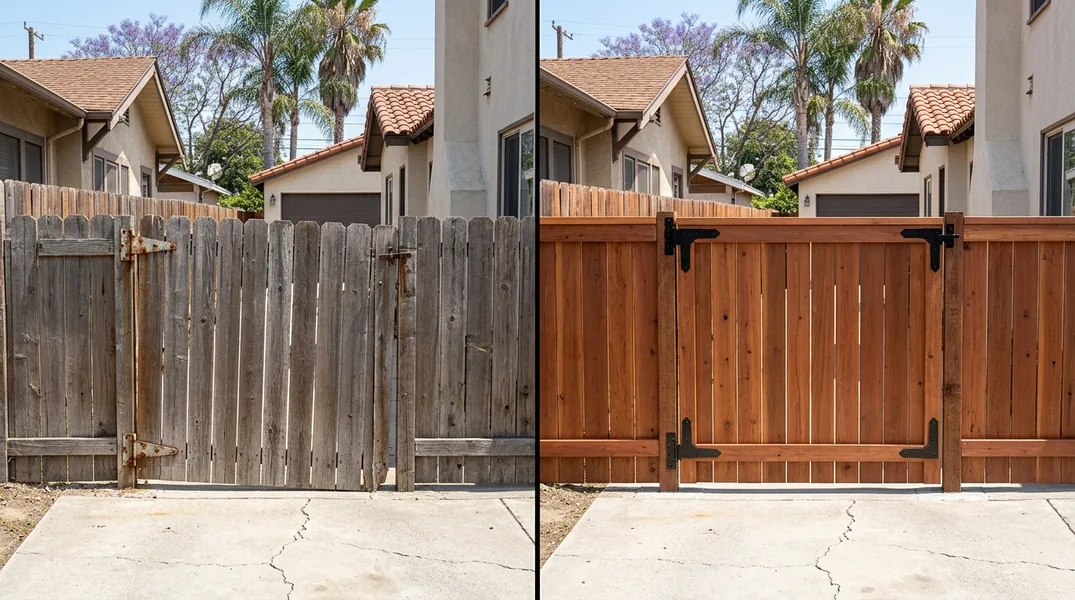
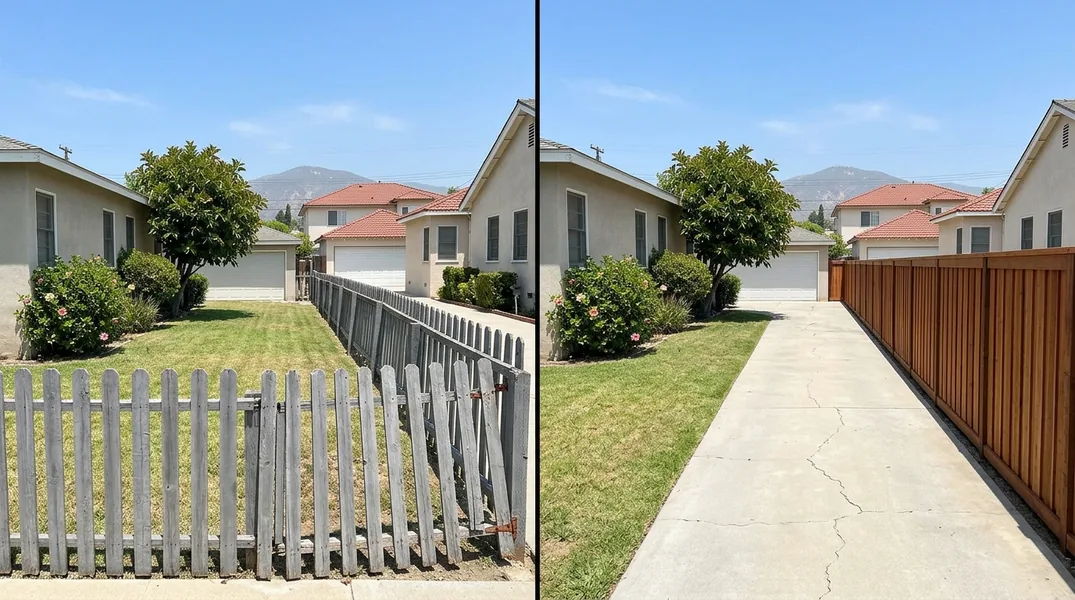
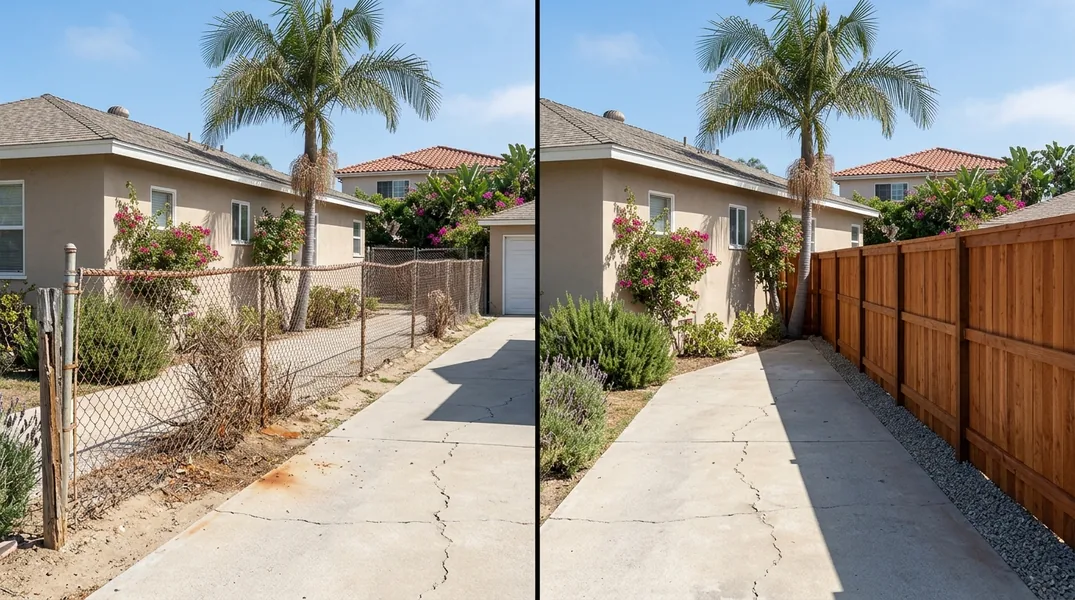
Long Beach Fence serves homeowners across Long Beach, Lakewood, Signal Hill, Seal Beach and Los Alamitos with fence installation, repair, and gate work tailored to this coastal climate and housing stock. Whether you are looking for a fence company near me in Long Beach or need to replace a run that has failed, we handle wood and vinyl privacy fencing, chain link, aluminum and ornamental iron installations, along with fence repair, gate installation and automatic driveway gates. Every neighborhood here is walled, from the Craftsman bungalows of Bluff Park to the postwar stucco ranches of Los Altos and the newer Signal Hill homes, and every fence faces the same pressures: salt air that corrodes hardware, intense sun that grays and splits wood, and the wet-winter dry-summer cycle that works clay soil and loosens posts year after year.
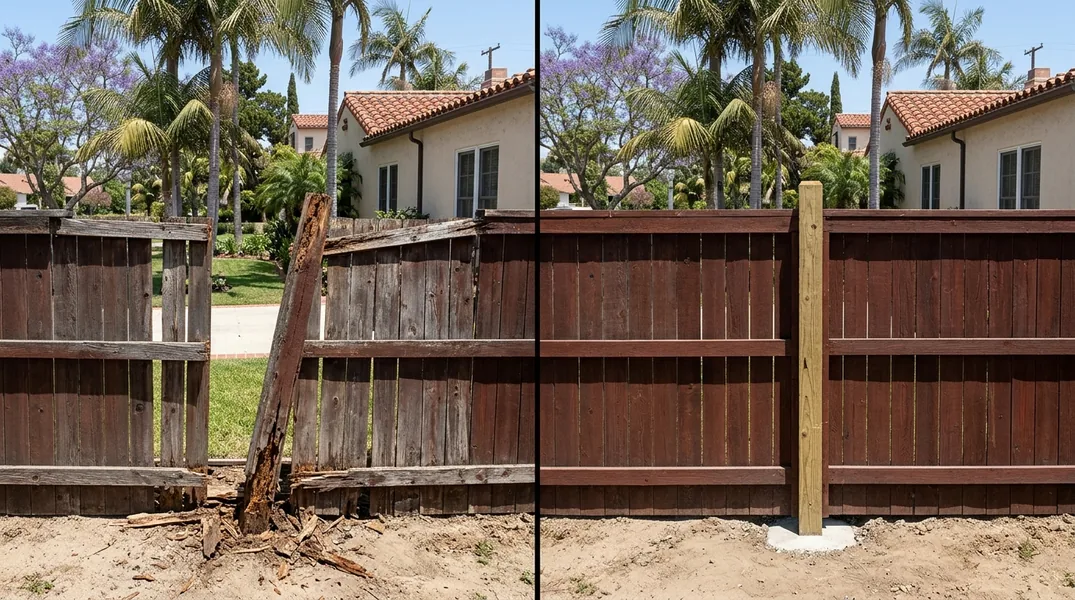
When a fence leans, drags, or shows rot at the ground line, the problem is usually not the pickets or rails but the posts themselves. We walk your entire fence line, test each post, and tell you whether repair or replacement makes the better sense. Call us for a free estimate at (562) 850-1083, and we will give you an honest assessment and a price that reflects what your fence actually needs.
Why Fences Lean in Long Beach: Clay Soil and Rotted Posts
Fences lean in Long Beach for one reason above all others: posts fail at the ground line. The soil here swells when winter rains soak it and shrinks as it dries through the spring and summer, and that annual cycle works a post back and forth until it racks out of plumb. At the same time, the constant humidity near the coast keeps wood damp right at the soil line, where the load is greatest and decay sets in fastest. After ten or fifteen years, a post that started vertical can lean six inches or more, and the whole fence line follows. A panel may look fine, but the posts holding it have given way.
We assess a leaning fence by walking the whole run and testing every post, not just the section someone called about. We check whether the concrete footing has heaved or shifted, or whether the post itself has rotted or cracked inside a sound footing. That tells us what we are actually dealing with. If you have sound pickets and rails with a handful of failed posts scattered along the fence, we reset or replace those posts and the fence stands straight again for years. If the posts have decayed along the entire run, repair becomes a piecemeal expense that adds up, and replacement costs less over five years than patching. We quote both options and let you decide. On rotted wood, we are clear about what we do and do not do: we replace wood that has decayed at the ground line, where moisture is the culprit. We do not perform termite inspections, apply chemical treatments, or carry out pest control, that is a separate regulated trade in California, and it is not our scope. Moisture management and post replacement are our work.
Call (562) 850-1083 to schedule a fence post repair and replacement assessment. We will photograph your fence line, explain what we find, and give you a written estimate that covers repair or replacement, whichever makes sense.
Storm Damage Fence Repair in Long Beach
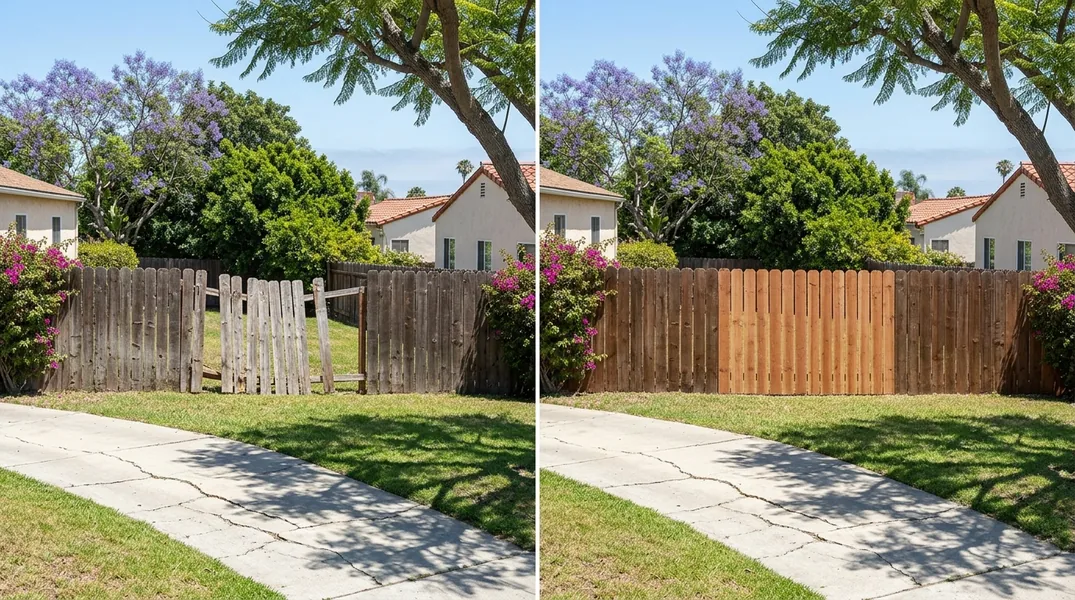
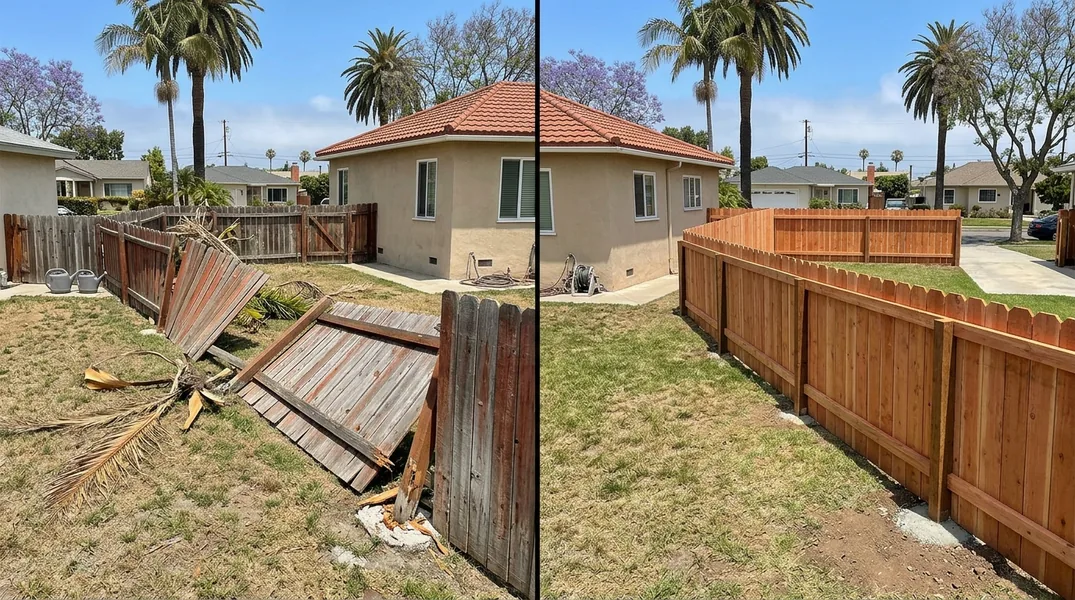
Winter storms bring down fences along the same lines, whole runs pushed over by wind, posts snapped at grade, panels torn loose. When it happens, the fence that gets rebuilt should be stronger than the one that failed. Posts set deeper, with better concrete, and spaced to handle the wind exposure of your lot, will stand where the original did not. We provide a free damage assessment, walk your fence line section by section, photograph what we find, and give you a written estimate. That estimate documents the damage and can be submitted to your homeowner's insurance carrier if you choose to file a claim. Coverage decisions rest with your insurer, we help you document what happened, but we do not make promises about what a claim will cover or what it will pay.
A storm damage repair is straightforward work: we remove the failed sections, reset or replace the posts with proper footing, and reinstall panels or boards. Storm damage fence repair is not an emergency for us, we schedule it like any other job, assess what actually needs to be done, and quote it honestly. If you have sustained storm damage and want to understand your options, contact us for a free estimate and we will walk the damage with you.
Cedar, Pine, Vinyl or Chain Link: Choosing for This Climate
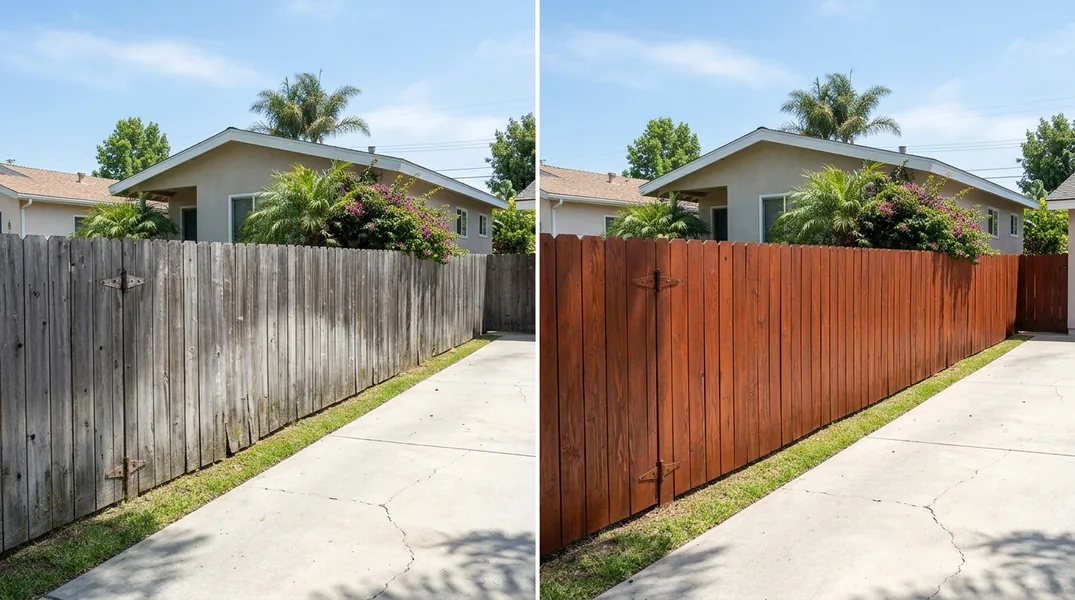
The material you choose shapes how often you maintain your fence and how long it lasts. Cedar is beautiful and weathers to silver-grey if left unfinished, but it wants cleaning and re-staining every two to three years under this sun and humidity, that is the cycle that keeps it from graying and splitting prematurely. Pressure-treated pine is a smarter budget choice if you are willing to stain it on the same schedule, and it performs just as well structurally. Vinyl requires no staining and resists rot and insects, but it can look plastic in certain light, and in this climate it holds up beautifully along the fence line but shows every dust streak if you care about that. Chain link is the toughest per dollar, galvanized for durability or powder-coated black for appearance, and gauge and mesh size matter: thicker wire and smaller openings cost more but last longer and look more finished. Aluminum and ornamental iron work best for front yards, pool barriers, and gates where the visual impact justifies the cost. Aluminum is lightweight and does not rust; wrought iron is heavier and stronger but needs powder coating to resist salt air corrosion.
Pricing is quoted by the linear foot on site, because slope, access, existing fence removal, and gate locations all change the scope. Wood and privacy fencing, vinyl fencing, chain link, and aluminum and ornamental iron each have different labor and material profiles, and we can walk you through the trade-offs for your specific lot and budget.
Permits, HOA Rules, Property Lines & Pool Barriers
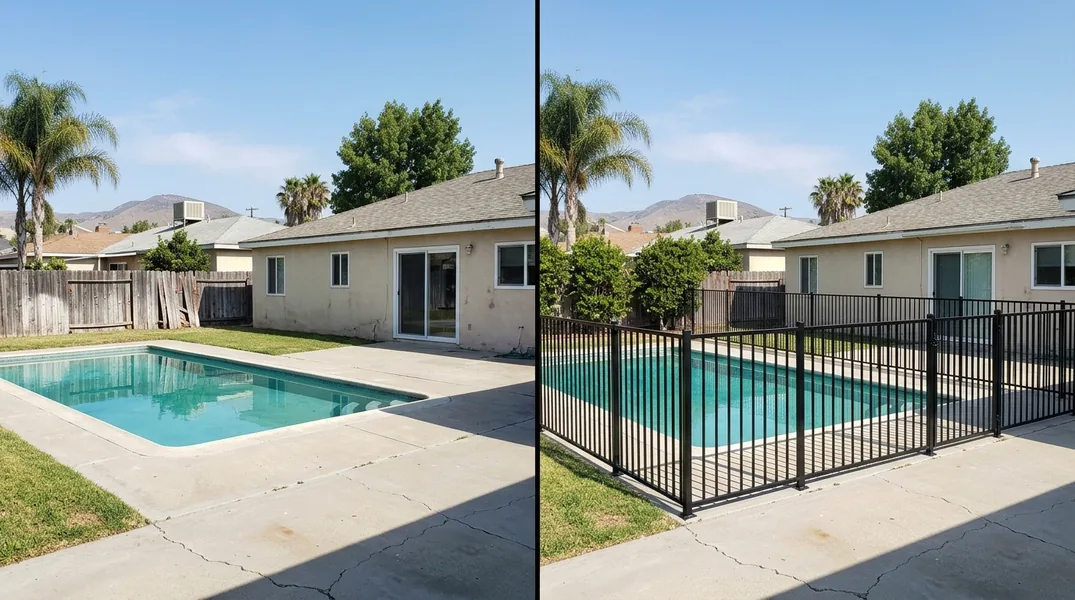
Fence regulations vary across the cities and counties in the Greater Long Beach area. In most jurisdictions, fence height is limited to six feet in rear yards and four feet in front yards, but setback requirements from the property line, corner-visibility rules, and material restrictions differ. Many cities require a building permit for new fence installation, while others do not, requirements vary by city and county, so it is worth checking with the Long Beach building department before you start. If you live in a master-planned community or an HOA-governed neighborhood, architectural approval is commonly required, and height, material, and color are often restricted by deed or by association rules. It is worth confirming those rules in writing before committing to a design. On property lines, we install fence on the line you identify, working from your existing survey or plat. Confirming the line with your neighbor and getting any agreement in writing beforehand prevents disputes later. Pool barriers must be installed to meet the pool barrier codes that apply at your address, with self-closing self-latching hardware on gates. We install to code, but final determination of compliance rests with the local building official, no barrier replaces active supervision of children. Before we dig post holes, we request California 811 utility locates to mark underground lines. Note that locates cover participating utility operators only and do not mark private lines such as landscape irrigation or lighting, so let us know if you have those on your property.
Requirements vary, always verify with the Long Beach building department and your HOA before starting your project. If you have questions about what applies to your fence, contact us and we can discuss what to confirm with your local authority.
Ready to get started? Long Beach Fence serves in Long Beach and surrounding areas. Book your free on-site estimate today.
Get Your Free Estimate